

-
Cart
( 0 )
My Basket
0 ITEMS IN YOUR BASKET
Fire Door Ironmongery Explained
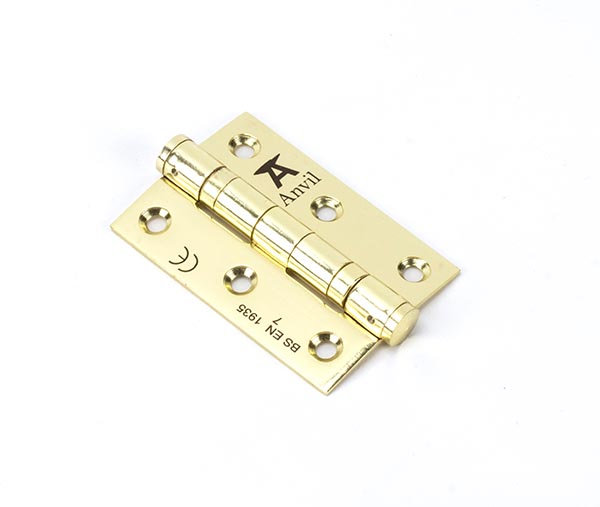
Polished Brass 3" Ball Bearing Butt Hinge (pair), from our current range.
What is fire door ironmongery?
Fire door ironmongery is hardware that has been tested and certified for use on a fire-rated door, as part of a complete, approved fire door set. A fire door only performs as intended if every component, the door leaf, frame, hinges, seals and ironmongery, works together as tested, which is why fire door hardware cannot simply be substituted for standard hardware.
Why certification matters
A fire door is tested as a complete assembly, and its fire rating, such as FD30 or FD60, reflects how long that specific combination of door, frame and hardware resists fire. Fitting an untested handle, hinge or lock can compromise this rating, even if the item looks identical to the certified version, because performance under fire conditions cannot be judged by appearance alone.
Typical fire door hardware
- Hinges – certified fire doors generally require ball bearing hinges rated for the door's fire rating, usually a minimum of three per door, see our Ball Bearing Hinges guide
- Door closers – fire doors need a certified self-closing device to ensure the door closes fully in the event of a fire, see our Hinges & Door Control Guide
- Intumescent seals – strips fitted around the door or frame that expand under heat to seal the gap and prevent smoke and fire spreading
- Handles and locks – certified as part of the door set, generally fitted on rose rather than backplate, see our Lever Handles guide
- Letter plates and vision panels – where fitted, these must also be certified for the specific fire rating, as they interrupt the solid door leaf
Where fire doors are required
Fire doors are a legal requirement in commercial buildings, houses of multiple occupation, flats and communal areas, and are increasingly specified in family homes too, particularly for doors leading to integral garages and kitchens. Building regulations and local fire risk assessments determine exactly where certified fire doors are required.
Buying fire door ironmongery
When buying hardware for a certified fire door, check that each component states the fire rating it has been tested to, and keep this documentation. If you are replacing a single item on an existing fire door, such as a handle or hinge, using a like-for-like certified replacement is the safest approach.
Related guides
See our Architectural Ironmongery Explained guide, or browse our full Hinges & Door Control Guide.
Frequently asked questions
Can I use any hinge on a fire door?
No. Fire doors need hinges tested and certified as part of the door set, generally ball bearing hinges rated for the door's specific fire rating, not standard butt hinges.
Do fire doors need a door closer?
Yes, in almost all cases. A certified self-closing device ensures the door closes fully in the event of a fire, which is essential to the door performing its rated function.
Is it safe to fit a decorative handle to a fire door?
Only if that specific handle has been tested and certified as part of a fire door set. An uncertified decorative handle, however similar it looks, can affect the door's fire performance.
Back to Buying Guides, or explore the full Knowledge Centre.


