

-
Cart
( 0 )
My Basket
0 ITEMS IN YOUR BASKET
Butt Hinges
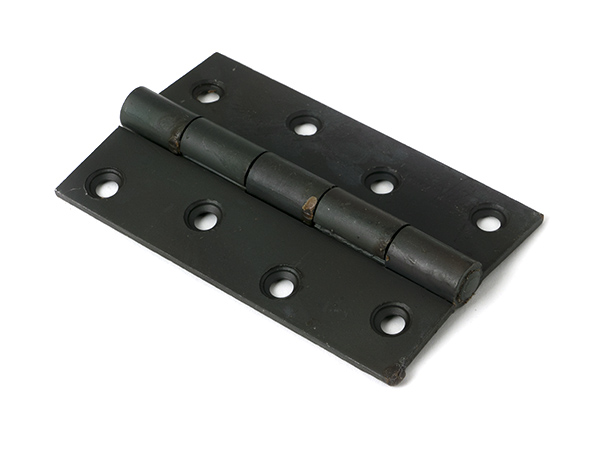
Beeswax 4" Butt Hinge (pair), from our current range.
What is a butt hinge?
A butt hinge is the standard hinge type for the great majority of internal and external doors. Each leaf of the hinge is recessed, or mortised, into the edge of the door and the corresponding face of the frame, so the two leaves sit flush and the door swings on the connecting pin between them. This flush, recessed fitting is where the name comes from, and it gives a neat, strong, low-profile fixing that has changed little in design for well over a century.
Butt hinges are sold plain, or with a ball bearing race for smoother, longer-lasting operation on heavier or more frequently used doors – see our Ball Bearing Hinges guide for that variant.
Where butt hinges are used
- Internal doors – the standard hinge type for bedroom, bathroom and reception room doors
- External doors – heavier duty or ball bearing butt hinges are typically specified for front and back doors
- Cabinetry – smaller butt hinges are also used on cabinet doors, covered in our Cabinet Hinges guide
Choosing the right butt hinge
A few practical points are worth checking before you buy:
- Size – commonly 3" or 4" for internal doors, larger for heavier external doors; match the size to your door's weight and existing recess if replacing
- Plain or ball bearing – ball bearing hinges suit heavier or frequently used doors, giving smoother operation and a longer life
- Number of hinges – most doors use two or three; heavier doors are usually specified with three or four
- Finish – see our Hardware Finishes Guide to match other door furniture
Related products
Browse our current range in Door Hinges, or see the related Ball Bearing Hinges guide.
Frequently asked questions
What size butt hinge do I need?
This depends on your door's weight and thickness; 3" hinges are common for lighter internal doors, with 4" and larger sizes used for heavier or external doors. Matching an existing recess avoids extra joinery work.
How many butt hinges does a door need?
Most internal doors use two or three hinges, while heavier or fire doors are usually fitted with three or four to spread the load evenly.
Do I need ball bearing hinges instead of standard butt hinges?
Ball bearing hinges are worth the extra cost on doors used frequently or that are particularly heavy, since they operate more smoothly and last longer under load. See our Ball Bearing Hinges guide.
Back to the Hinges & Door Control Guide, or explore the full Knowledge Centre.


